

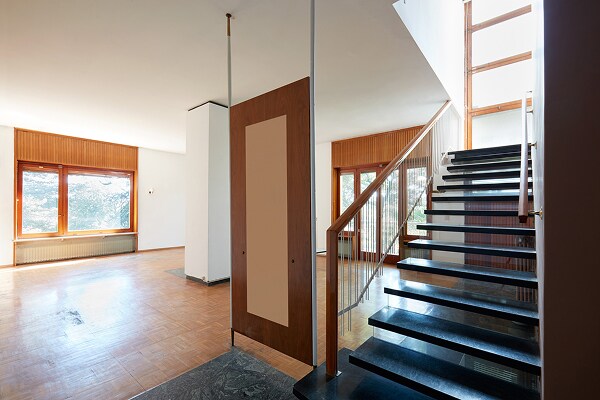
Most people searching for cover on an empty property type one of three phrases into Google. Empty house insurance. Vacant property insurance. Unoccupied property insurance. In everyday conversation the three sound the same, and searchers use them interchangeably. In insurance, they are not the same, and the difference can decide whether a claim is paid.
Getting the wrong label on your policy is not a small issue. If your insurer treats your property as unoccupied when it is actually vacant, or the other way round, the policy may not respond when you need it. This guide sets out what each term means, when standard cover stops working, and how to arrange the right protection for your situation.
Why the words empty, vacant and unoccupied matter
The everyday meaning of “empty” covers anything with no one living in it. The insurance meaning is more precise. Insurers use unoccupied and vacant to describe two different property states, priced and underwritten in different ways.
The distinction matters for one reason. Risk. An empty property attracts higher rates of theft, malicious damage, arson and undetected escape of water. The longer no one is checking on the building, the greater the exposure. Insurers price and word their policies around the specific state of the property, and if you describe it inaccurately, you may find part of a claim reduced or refused.
The everyday meaning versus the insurance meaning
If you inherit a furnished family home during probate, most people would call it an “empty house.” Your insurer would call it unoccupied. If you own a rental waiting for a refurbishment and every stick of furniture is out, most people would still call it an empty house. Your insurer would call it vacant. Same word in normal speech, two different policies in the market.
What insurers mean by unoccupied
An unoccupied property is furnished and ready to live in, but no one is currently living there. Belongings are inside. The kitchen has appliances. The bedrooms have beds. The property looks as though the owner could return at any moment.
Typical situations include:
- A home going through probate with the deceased owner’s possessions still inside
- A homeowner working abroad or travelling for an extended period
- A second home or holiday property used only occasionally
- A property between tenants where furniture has been left in place
- A home undergoing minor works where the owner has temporarily moved out
Contents cover is usually relevant here, because there are possessions to protect. Unoccupied home insurance UK policies can normally be arranged for three, six, nine or twelve months, and extended if the situation continues.
What insurers mean by vacant
A vacant property is completely empty. No furniture. No possessions. No signs that anyone lived there recently. This is common in the following situations:
- A rental property fully stripped between tenants
- A home mid-renovation with everything removed
- A newly purchased property waiting for the owner to move in
- An inherited property that has been cleared and is awaiting sale
Vacant properties generally carry a higher risk profile. Nothing signals occupation from the street. Break-ins may go unnoticed for weeks. Water damage from a burst pipe can spread without anyone spotting it. Because of this, vacant property insurance can cost noticeably more than cover for an unoccupied home. Contents cover is rarely relevant, because there are no contents to insure.
What “empty house insurance” actually refers to
Empty house insurance is not a separate product. It is the umbrella phrase the public uses when searching for cover on any property that no one is living in. Whether you end up with an unoccupied policy or a vacant policy depends on the property’s true state at the point you take out cover.
This is exactly where working with a broker helps. A good broker will ask the right questions about furniture, timescales and intended use, then match you to the right product with the right insurer. Getting this correct at the quote stage protects you at the claim stage.
When your standard policy stops covering you
Standard home insurance and landlord policies are written on the assumption that a property is being lived in and looked after day to day. Once no one is present, cover changes.
Most policies allow a property to be empty for 30 to 60 consecutive days before restrictions kick in. Some allow slightly more, some slightly less. Read the policy wording carefully, because the limit is usually buried in the small print.
Once you pass the limit, insurers commonly withdraw cover for:
- Theft and attempted theft
- Malicious damage and vandalism
- Escape of water
- Broken glass
Damage from fire, lightning, aircraft and explosion may continue, but this is a much narrower protection than most owners think they have.
What happens if you do not tell your insurer
Failing to tell your insurer that a property has become unoccupied is one of the most common and most damaging mistakes. If a claim occurs during a period the insurer did not know about, they can reduce the payout, refuse it entirely, or void the policy from the date the property became unoccupied. In serious cases this leaves the owner personally exposed to the full cost of repairs and any third-party liability.
If your circumstances change, tell your insurer or your broker straight away. Do not assume a friend staying occasionally, or a single overnight visit, resets the clock. Insurers generally look at genuine, ongoing occupation, not one-off visits.
Situations that call for specialist unoccupied property insurance
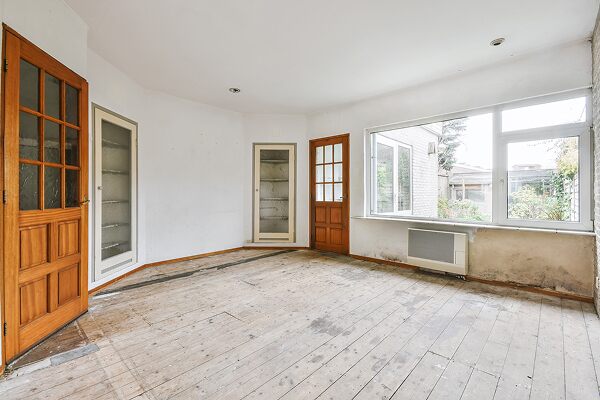 Several common life events push property owners into needing specialist cover, often at short notice.
Probate and inheritance. When a homeowner dies, the property may sit empty for months while the estate is settled. Executors have a duty to protect the estate’s assets, which means arranging probate property insurance until the property is sold or transferred. Cover can normally be arranged in the executor’s name once they can show an insurable interest.
Renovations and refurbishment. If you are moving out for major building work, standard cover often falls away once the property is empty and works begin. Owners undertaking major projects can find useful context in our guide to property development cover.
Between tenants. Landlords often assume their landlord policy continues seamlessly during void periods. It may, up to the unoccupancy limit written into the policy. Beyond that, specialist cover is usually needed.
Extended travel. Owners going overseas for work, family or long trips can find their home falls out of standard cover after a month or two.
Second homes and holiday properties. Any property left alone for long periods sits outside standard cover. Owners of these should look at holiday home cover or dedicated unoccupied policies depending on how the property is used.
Sale and purchase gaps. Delays between exchange and completion, or between completion and moving in, can leave a property unoccupied at exactly the wrong moment.
The scale of the issue is real. According to the latest Council Taxbase figures, England had 542,276 empty homes recorded in 2025, with over 303,000 classed as long-term empty (unfurnished and empty for more than six months). London alone held 105,138 empty homes. Ownership of an empty property is far from unusual, and neither is the need for the correct insurance.
What unoccupied and vacant policies typically cover and exclude
Every insurer words their policies slightly differently, but most specialist policies for unoccupied property insurance cover:
Fire, lightning, explosion
- Storm and flood damage
- Escape of water (subject to conditions)
- Theft and attempted theft (subject to conditions)
- Malicious damage and vandalism (subject to conditions)
- Property owner’s liability
Common exclusions and restrictions include:
- Damage that develops slowly, such as gradual water ingress
- Theft with no signs of forced entry
- Damage occurring outside the terms of any unoccupancy warranty
For a listed or heritage building, cover needs particular attention. If the property is protected, see our notes on listed building insurance for the extra considerations.
Conditions you will be expected to meet
Specialist policies come with obligations attached. Miss one, and a claim can be reduced or refused. Typical conditions include:
- Regular inspections, often every 7, 14 or 30 days, documented in a log
- Water supply turned off and system drained during winter, or the heating left on to prevent freezing
- Gas and electricity isolated except where needed for heating or alarms
- Letterbox secured, post removed, and no build-up of mail visible from outside
- Minimum security specifications, such as five-lever mortice locks and window locks
- Alarm systems set and monitored where required
Meeting these conditions is not optional. Insurers rely on them to price the risk, and they will look at compliance closely if a claim is made.
How to keep costs down and cover valid
Vacant property insurance is more expensive than standard cover because the risk is higher. Vacant policies can cost several times more than cover for a lived-in home, and unoccupied cover sits somewhere in between. There are practical steps that help.
- Choose the shortest realistic policy term. If probate looks like it will take six months, take a six-month policy rather than twelve
- Improve physical security. Better locks, alarms and outdoor lighting all reduce risk
- Carry out and log regular inspections
- Keep gardens and the frontage tidy so the property does not look abandoned
- Isolate utilities correctly for the season
- Notify your broker straight away if the property’s status changes
If the property will be rented once works finish, plan the switch to a full landlord policy before the first tenant moves in. Cover needs to be in place from day one.
Getting the right policy for your property
Choosing between vacant and unoccupied cover is not really a choice at all. It is a description of your property’s real state, matched to the policy that fits it. The mistake most owners make is assuming their standard policy will stretch a little further than it does, or treating the two terms as synonyms when arranging cover.
Speak to a broker who understands the distinctions, ask specifically about the unoccupancy clause in any policy you already hold, and be honest about how the property will be used and for how long. That is what protects you if something goes wrong.
If you have a property that is empty now, or you know it will be soon, our team can talk through the right cover with you. Learn more about our unoccupied property cover, or request a callback and we will be in touch.
Frequently asked questions
How long can my home be empty before my insurer needs to know?
Most standard home and landlord policies restrict cover after 30 to 60 consecutive days. Check the policy wording for the exact limit and tell your insurer or broker as soon as you know the property will be empty beyond it.
Does one visit or one overnight stay reset the unoccupied clock?
Generally no. Insurers look at genuine occupation, not one-off visits. A friend staying for a night while you are travelling is unlikely to satisfy the policy. Ask your broker before relying on this.
Do I need buildings and contents cover for a vacant property?
Buildings cover is essential. Contents cover is usually not relevant for a vacant property because there are no possessions inside. If any items remain, mention them so cover can be arranged appropriately.
Can executors take out unoccupied insurance during probate?
Yes. Executors with an insurable interest in the property can arrange probate property insurance in their own name. Policies are often available on flexible terms to match the length of probate.
How much more expensive is unoccupied cover compared with standard home insurance?
Premiums vary widely depending on the property, its location, the length of unoccupancy and the security in place. Vacant properties are the most expensive to insure and can cost significantly more than a standard policy. Working with a broker helps benchmark quotes across the market.